Netherland - Latvia - Portugal

Training program

   Portugal – Latvia –  Netherlands
 Erasmus+ Project 2025-1-PT01-RF210-ADU-000360058

ABOUT THE PROJECT

Improvisation beyond the stage

Improvisation is often associated with theatre, music, or dance. But its value goes far beyond artistic practice. In educational, social, and community contexts, improvisation becomes a practical tool for working with uncertainty, responding to group dynamics, and creating meaningful human connection.
frankie cordoba v1bsfl160km unsplash
christian harb iehrsw6kaje unsplash

A hands-on international training experience

As part of the Performing Bridges project, a series of workshops was held across Portugal, Latvia, and the Netherlands. The training brought together educators, artists, and social practitioners to explore how improvisation can be applied in real-life professional situations.

FOR WHOM

Three countries - one shared process

The training program took place across three locations:

Portugal (Lisbon)
Latvia (Riga)
Netherlands (Amsterdam)

Each session created a shared international space for exchange, experimentation, and reflection.

The Training Program is part of the Erasmus+ project:


“Performing Bridges: Improvisation for Inclusive Education and Social Change”


It reflects the core idea of the project: that improvisation can serve as a bridge between artistic practice and real-life social and educational processes.

erik mclean qzpgqelvsia unsplash (1)
emiliano vittoriosi csusdiri7w8 unsplash

Who this program was for

The workshops were designed for professionals working with people and groups: 

– educators and teachers
– youth workers
– artists and facilitators
– psychologists and social workers
– community and cultural practitioners

Participants came from different fields but shared a common need: to work more flexibly, attentively, and effectively in dynamic environments.

kazuo ota qxzfrl5gtc4 unsplash

What participants developed

The program focused on practical skills that can be immediately applied: 

– reading group dynamics in real time
– responding instead of reacting
– building trust and psychological safety
– working with emotional awareness
– adapting structure without losing direction

Improvisation here is not about performance — it is about professional competence.

Workshops across Europe

catalina fedorova rrl m fqzny unsplash

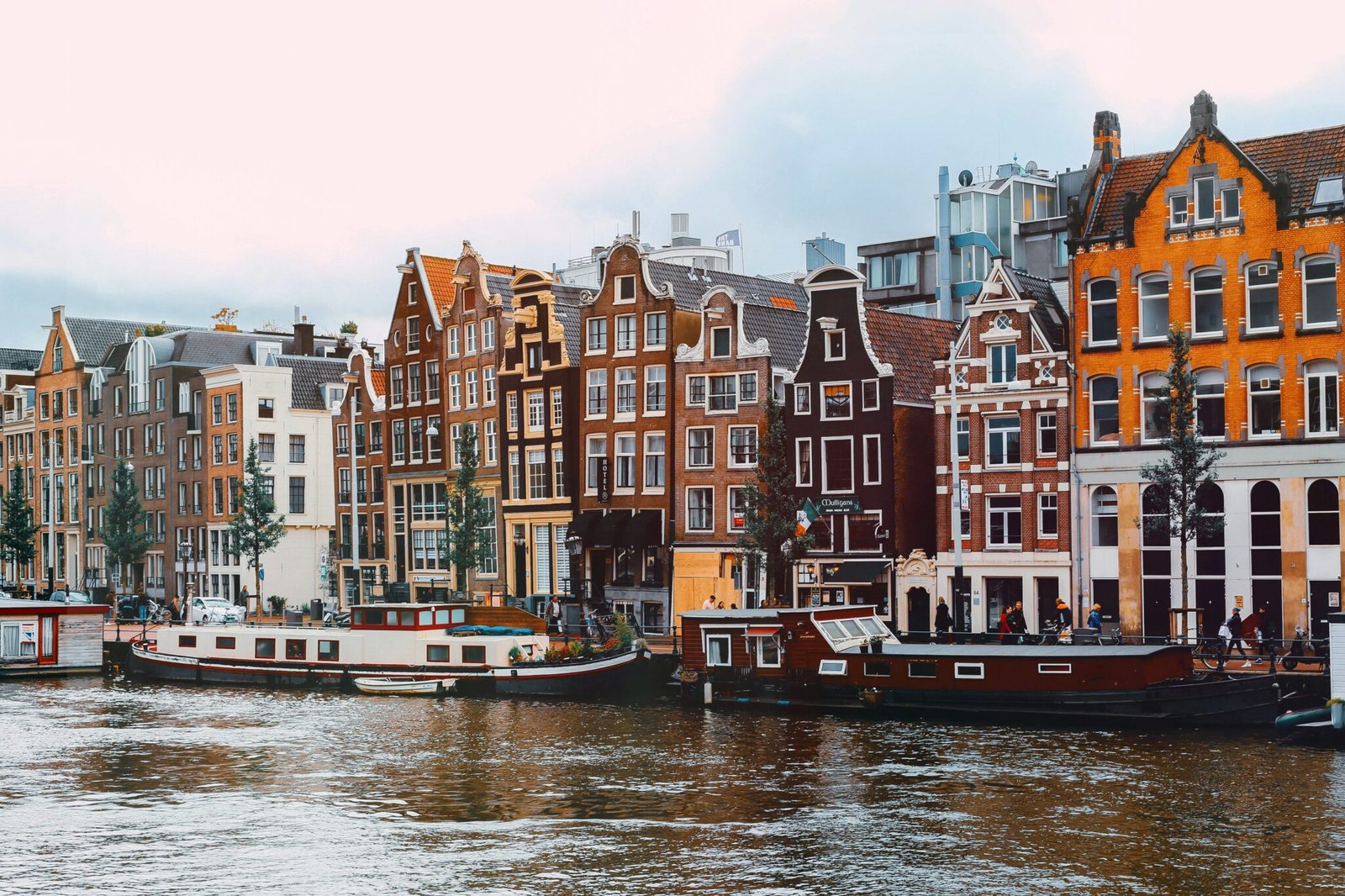
Netherlands

14 April 2026 

Workshop focused on practical tools for educators and facilitators working with diverse groups.

Participants explored how improvisation can support communication, engagement, and adaptive responses in complex environments.

Latvia

15 April 2026 

Workshop dedicated to emotional awareness, active listening, and collaborative processes.

The session addressed how improvisation can support group dynamics and create more responsive and inclusive learning spaces. 


liam mckay vhwyqxswhg0 unsplash

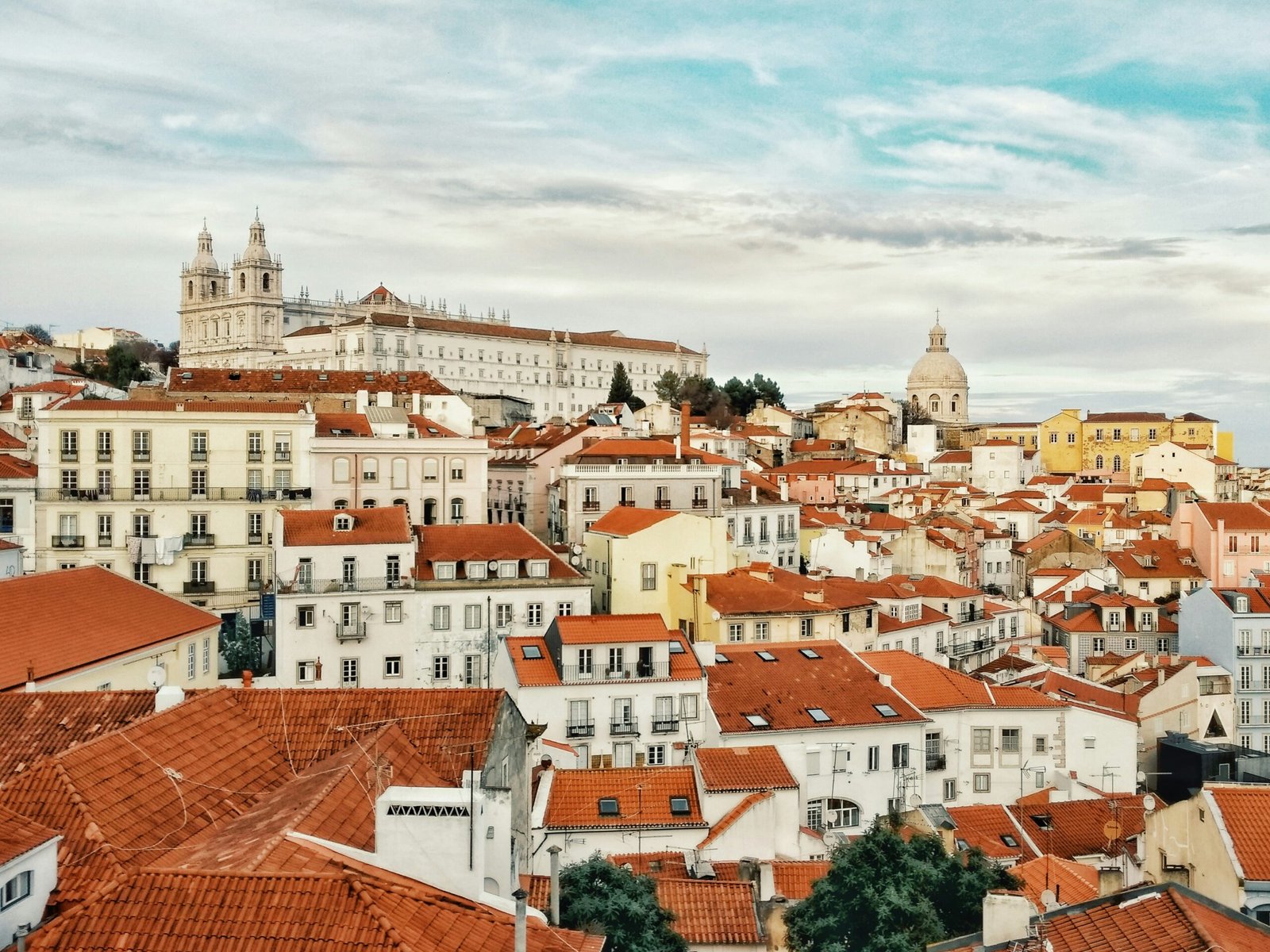
Portugal

16 April 2026 

Workshop focused on building trust, psychological safety, and resilience in group settings.

Participants worked with improvisational methods to strengthen cooperation and support inclusive educational environments.


ABOUT FACILITATOR

Amir Tagiev - facilitator

The workshops were led by Amir Tagiev, an experienced educator and facilitator with over 30 years of practice.

His work brings together education, theatre, and social engagement, focusing on inclusive learning processes and work with diverse and vulnerable groups.

Having designed and delivered thousands of workshops in schools, youth centers, and social institutions, Amir provides practical tools that can be immediately applied in professional contexts.

photo 2026 04 01 18 19 39
preillumination seth g8er2f8r6ze unsplash

Part of a wider European collaboration

The Training Program is part of the Erasmus+ project:

“Performing Bridges: Improvisation for Inclusive Education and Social Change”

It reflects the core idea of the project: that improvisation can serve as a bridge between artistic practice and real-life social and educational processes.

Co-funded by the European Union under the Erasmus+ Programme

Project No. 2025-1-PT01-KA210-ADU-000360058